I often get asked whether solid-state batteries (SSBs) could be the silver bullet for keeping existing electric vehicle fleets on the road longer. As someone who follows mobility technology closely, I find this question fascinating because it sits at the intersection of materials science, vehicle engineering, fleet economics, and policy. I’ll walk you through what makes solid-state attractive, what stands in the way of retrofits today, and where retrofits might realistically make sense first.
Why people are excited about solid-state batteries
Solid-state batteries promise several improvements over today's lithium-ion cells: higher energy density, faster charging, longer cycle life, and improved safety due to non-flammable solid electrolytes. Companies like QuantumScape, Solid Power, and automotive OEMs such as Toyota and BMW have been vocal about SSB as a next-gen solution. For fleet operators, those benefits translate into longer range, less downtime, reduced thermal management costs, and potentially lower total cost of ownership if durability claims hold true.
What a retrofit would actually involve
Replacing a battery pack in an EV with a solid-state pack is not as simple as swapping a new battery module into the same space and plugging in the same connectors. In practice, retrofitting an existing vehicle involves:
- Physical fitment: SSB modules might be shaped differently. Pack architecture changes could affect mounting, crash structures, and vehicle balance.
- Electrical integration: Voltage levels, maximum continuous discharge, and peak currents can differ. That impacts wiring, fuses, contactors, and high-voltage architecture.
- Battery management system (BMS): SSB chemistry will have different cell voltage ranges, internal resistance, and state-of-health profiles. The BMS firmware and hardware almost always need adaptation.
- Thermal management: Although SSBs are often touted as “less thermally demanding,” they still generate heat under high power usage and may require active cooling or specific thermal conduction paths.
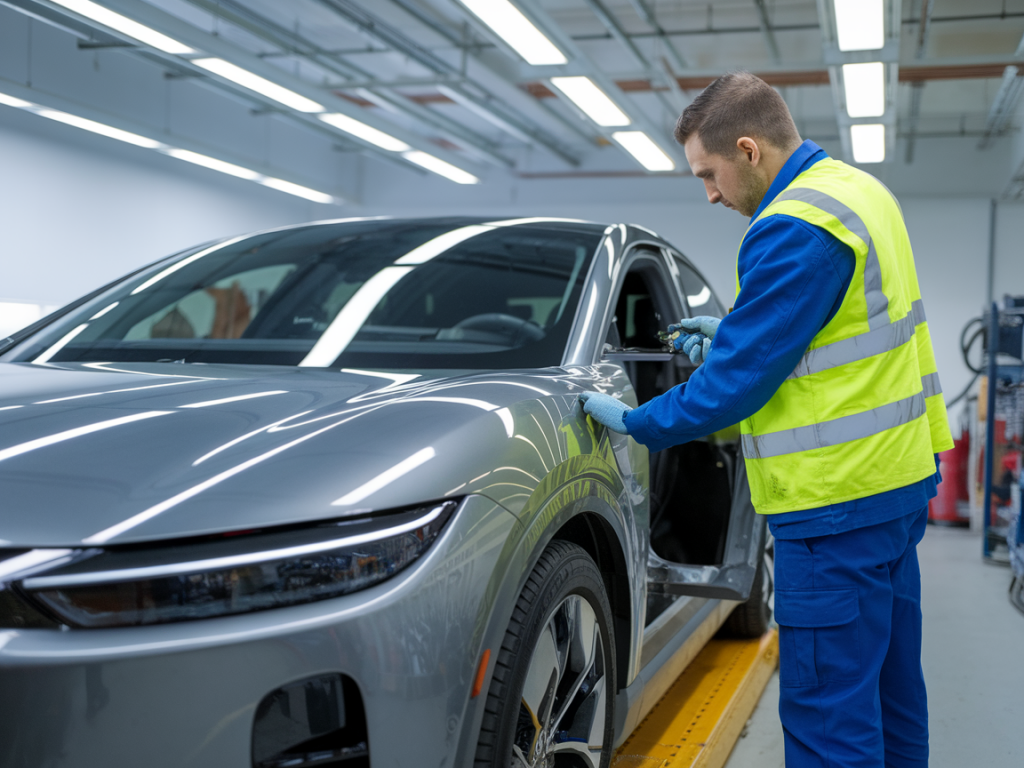
- Regulatory and safety certification: A different chemistry may require new crash and electrical safety tests, homologation, and warranty/insurance reassessments.
Technical barriers that make wholesale retrofits unlikely—at least for now
From a technical standpoint, I see several clear barriers:
- Pack architecture mismatch: Most modern EVs integrate the battery pack into the vehicle's structure. The pack is part of crash energy management, chassis stiffness, and thermal pathways. Designing a drop-in SSB pack that matches all mechanical and thermal properties is hard.
- BMS and software complexity: The BMS is tuned to the electrochemical behavior of specific cells. Rewriting and validating BMS algorithms for new chemistry takes time and rigorous testing. Software compatibility with the vehicle controller is another hurdle.
- Manufacturing scale and cost: Today’s SSBs are largely in pilot production and remain expensive. For retrofits to be economically viable, the per-kWh cost must be competitive with new lithium-ion packs or the savings must be huge in terms of lifetime or energy density.
- Safety and certification: Any change to the energy storage system typically requires re-homologation. That’s expensive and lengthy for passenger vehicles subject to stringent crash and electrical safety rules.
Where retrofits might be realistic sooner
That said, I don’t think retrofits are impossible — they may simply happen first in specific niches:
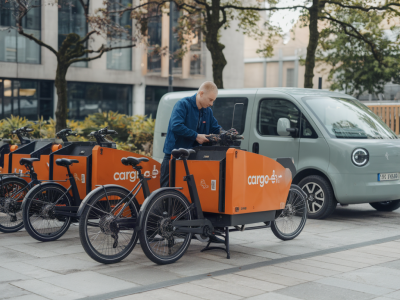
- Commercial and industrial fleets: Buses, delivery vans, and municipal vehicles often have centralized maintenance, standardized vehicle models, and predictable duty cycles. Fleet operators prioritize TCO and uptime, and they could coordinate retrofits at scale. Retrofit companies could develop standardized packs for common fleet platforms (e.g., certain Renault, Ford, Mercedes van models).
- Battery-electric buses and coaches: The bus market already sees battery pack replacements and modular designs. A city transit authority might accept a retrofit if it extends service life with better range and charging behavior.
- Stationary repurposing + partial upgrades: Instead of retrofitting into the vehicle, end-of-life traction batteries are sometimes used for stationary energy storage. A hybrid approach — installing SSB modules for range-critical modules while retaining some legacy cells — could be a transitional strategy.
- Special-purpose vehicles: Forklifts, mining vehicles, and other off-highway machinery have simpler regulatory regimes and often use standardized battery modules, making them early candidates.
Cost considerations and business models
For fleet managers, the economics will determine interest. Right now, solid-state cells are expensive and production volumes are low. I expect a few viable business models to arise:
- Manufacturer-backed retrofits: OEMs could offer certified retrofit packs for their older models, providing warranties and managing homologation. This is the cleanest path but requires OEM commitment.
- Third-party retrofitters focusing on fleets: Independent companies might specialize in retrofitting buses or delivery vans where vehicle platforms are similar across operators.
- Lease-to-upgrade models: Battery-as-a-service (BaaS) where fleets lease the battery and upgrade to SSB packs when available could lower upfront costs and handle end-of-life issues centrally.
Real-world examples and parallels
We already see analogous practices that hint at feasibility. Bus operators regularly replace and upgrade battery modules as technology improves. NIO’s battery swap model in China shows that modular battery approaches can scale when supported by the right infrastructure and economic model. Startups focused on conditioned retrofits exist in other industries — their lessons could inform EV retrofit approaches.
| Aspect | Current reality | Retrofit outlook |
|---|---|---|
| Energy density | Li-ion 200–300 Wh/kg | SSB aims 400+ Wh/kg — beneficial but variable |
| Cost/kWh | Falling fast for li-ion | High initially for SSB; needs scale |
| Thermal management | Active cooling common | Potentially simplified, but still required for high power |
| Integration complexity | High (vehicle-specific) | High — likely custom for each model |
My practical take for fleet operators and policymakers
If I were advising a fleet operator today, I would say: watch SSB developments closely, pilot with suitable vehicle classes (buses, vans, forklifts), and favor flexible architectures that keep battery modules replaceable. For policymakers, encouraging modular pack standards and supporting certification frameworks could accelerate safe retrofits and second-life markets.
Solid-state battery retrofits hold promise, but the transition will be gradual and selective rather than sweeping. The first real-world wins will likely come where standardized platforms, centralized maintenance, and clear economic incentives align — not necessarily on every passenger EV in a consumer driveway. As SSB manufacturing matures and costs fall, the window for larger-scale retrofits will widen, and that’s when we might see more ambitious projects to extend the life of existing EV fleets.