City streets are getting more crowded and more complicated by the week. Deliveries, e-scooters, ride-hailing pickups and traditional traffic are all competing for the same curb and kerbside real estate. As someone who follows mobility closely, I’ve watched how these competing uses can quickly turn a well-intentioned street into a chaotic bottleneck. But I’m optimistic: AI-powered curb management can bring order to that chaos—if we design it thoughtfully.
Why curb conflict matters more than it used to
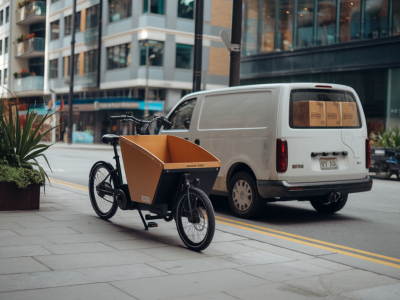
When I first studied urban planning and transportation systems, the curb had a fairly simple job: let people load and unload, park, and access transit stops. Today, the curb has many new responsibilities. Logistics providers need short-term loading space for vans and e-bikes; micromobility operators need parking locations for scooters; ride-hailing drivers look for quick pickup/dropoff zones; and residents expect accessible kerbs for accessibility needs. Add road-side retail, construction, and bike lanes, and the curb becomes a scarce resource.
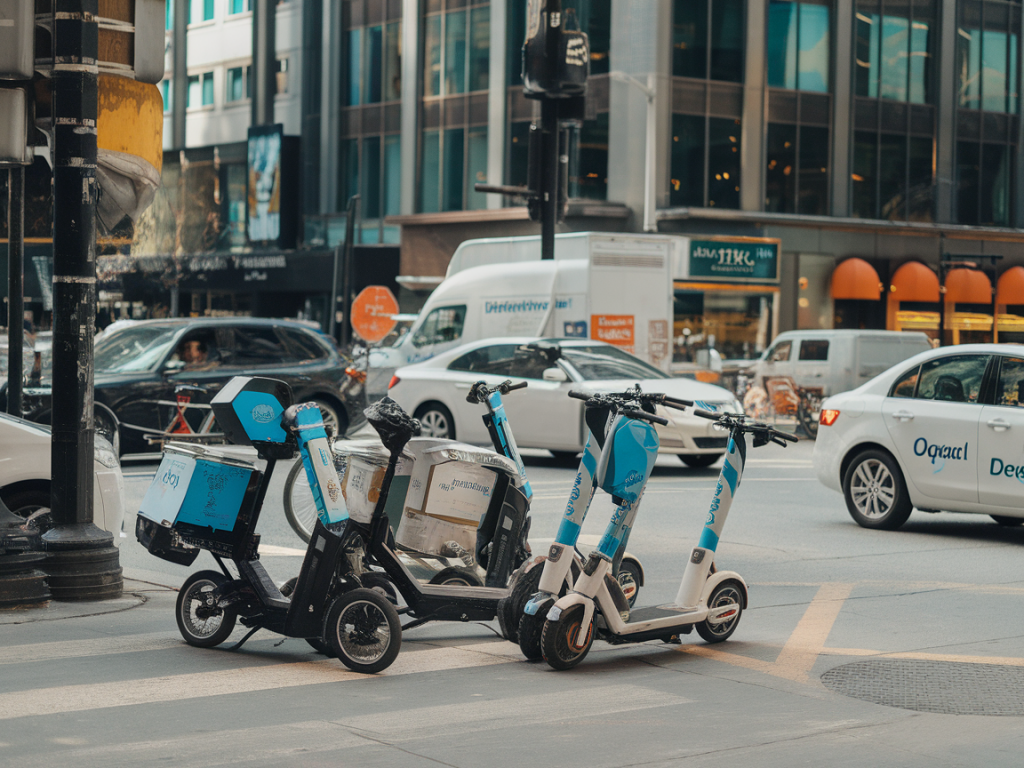
The result is predictable: double-parked delivery vans block bike lanes, e-scooters cluster randomly on sidewalks, ride-hailing cars queue dangerously, and emergency vehicles struggle. These frictions increase travel time, raise emissions, and create safety hazards. That's where AI can help—by acting as a smart traffic controller for the curb.
What AI curb management actually does
At its core, AI-based curb management combines real-time sensing, predictive models, and automated decision-making to allocate curb space dynamically. The system ingests data from sensors, cameras, GPS feeds from delivery fleets and ride-hailing apps, and urban infrastructure (such as parking meters and smart signs). It then uses machine learning to:
Imagine a morning scenario where couriers, a coffee shop load-in, and a ride-hailing surge all overlap on the same block. Instead of first-come-first-served chaos, AI would allocate a short-term loading bay for two vans, create a 2-minute passenger pickup window for a ride-hailing lane, and direct scooter users to designated parking clusters nearby.
Key AI techniques that make it work
Several technical pieces come together:
How this looks on the ground
I’ve observed pilots where cities implemented dynamic curb pricing and micro-reservations. In one example, dynamic signage and an API allowed delivery platforms to reserve a two-minute loading slot near a restaurant at lunch. Couriers received the slot in their app, arriving just-in-time and avoiding double-parking. The result was smoother operations and fewer blocked bike lanes.
Other pilots use geofenced scooter parking combined with incentives: users who park scooters within target clusters get reduced unlocking fees. That behavioral nudge, supported by AI predicting where parking pressure will be highest, reduced sidewalk clutter significantly in some test areas.
Integration with platforms and stakeholders
Effectiveness hinges on collaboration. AI curb management must integrate with ride-hailing platforms (Uber, Lyft), delivery services (Amazon Flex, local couriers), micromobility operators (Bird, Lime), municipal traffic control centers, transit agencies, and retailers. Open standards and APIs are essential—closed systems won’t scale.
I’ve seen promising work where cities expose curb availability via an API that third-party apps can query in real time. That allows a delivery dispatcher to route a van to streets with predicted available curb space or for ride-hailing apps to direct drivers to designated pickup zones, reducing circling and idling.
Balancing competing goals: fairness, safety, and efficiency
One concern I hear often is that AI could favor commercial players over local residents. That’s a fair worry. When designing these systems, cities must encode policy priorities into the AI: prioritize disabled access, ensure equitable distribution of loading zones across neighborhoods, and reserve some curb space for short-term residential needs.
Safety must also be a primary objective. AI can help by preventing pickups in dangerous locations (near intersections, bike lanes) and by enforcing no-park zones. Models that factor in pedestrian flows can avoid reallocating curb space in ways that push micro-mobility parking into high-footfall areas.
Practical hurdles and how to address them
There are implementation challenges:
Examples that inspire me
I follow initiatives in Los Angeles, Singapore, and Amsterdam where elements of curb intelligence are already in place. Singapore’s coordinated logistics zones and Singapore Land Authority’s data sharing are strong models. LA’s Open Curb project and pilot dynamic curb rules show how cities can iterate on policy and tech together. These examples prove that gradual rollout—starting with high-impact corridors—works better than attempting citywide transformation overnight.
What residents and operators can expect next
Expect to see more apps telling drivers exactly where to stop, more dynamic pricing for curb space to reflect demand and social priorities, and smarter micromobility parking rules. AI will also deliver better metrics: cities will know which streets are under stress and why, enabling more targeted infrastructure investments like loading bays or protected bike lanes.
I’m convinced that AI is not a silver bullet but a powerful toolkit. If deployed transparently, with clear rules and stakeholder buy-in, it can drastically reduce curb conflict between deliveries, e-scooters, and ride-hailing pickups—making streets safer, more efficient, and more livable.
| Problem | AI-driven solution |
|---|---|
| Double-parked delivery vans | Real-time reservations + short-term loading windows |
| Scooter clutter on sidewalks | Geofenced parking + incentives and predictive placement |
| Ride-hailing congestion at curbs | Dynamic pickup zones and driver routing via APIs |
| Enforcement gaps | Camera detection with automated alerts and fine systems |