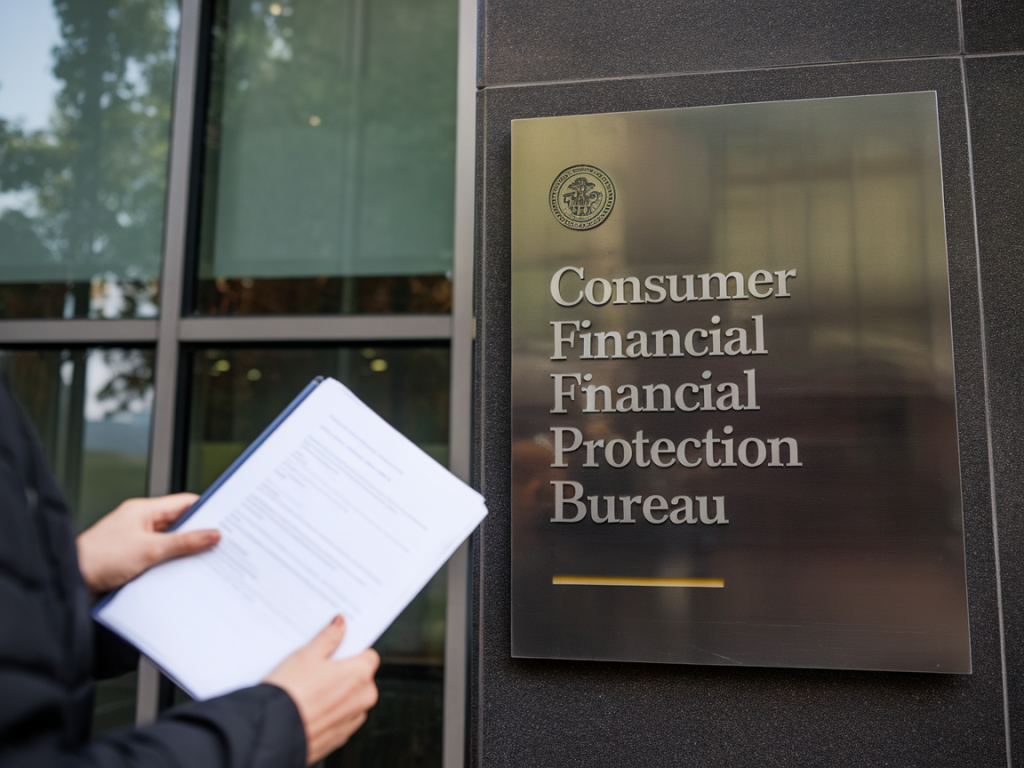
I remember the unsettled feeling when I realised I had accidentally paid for a software subscription twice and for a service we no longer used. Even as someone who writes about smart cities and mobility tech, administrative mistakes happen — and knowing your recours possible après avoir réglé une facture is essential. In smart-city projects, municipal services, mobility-as-a-service platforms and SaaS contracts, the volume and complexity of invoices mean disputes after payment are not uncommon. I want to walk you through the practical steps I use and recommend when contesting a bill after it has already been paid.
Start by collecting and organising evidence
The first thing I do is assemble everything related to the transaction. This is the backbone of any successful contestation.
Having a clear timeline helps when you contact the supplier, your bank, or a mediator. I create a simple folder (digital and backup) that lists dates, transaction IDs and the exact reason I believe the invoice is incorrect.
Contact the supplier quickly and politely
Even when I'm angry or frustrated, I start with a calm, factual message. A short email or formal letter (registered if necessary) that sets out the error, attaches evidence and requests a remedy is often enough.
Vendors, especially large mobility platforms or utility providers in smart cities, often have established procedures for refunding or issuing credits. Document every exchange — it will be useful if escalation becomes necessary.
Use payment-system tools: chargebacks, SEPA and PSD2 protections
If the supplier stalls or refuses, I explore options available through my payment method. Different channels offer different remedies:
I contact my bank or card issuer with the evidence I prepared. For digital mobility services, proof of cancellation or screenshots showing no usage can help when arguing for a chargeback.
Escalate via consumer protection, mediation or platform complaint
If the supplier and my bank both fail to resolve the issue, I look to neutral third parties.
I usually file a mediation request with a clear chronology and a PDF packet of evidence. Mediators can be a fast and inexpensive way to secure refunds or credits.
Consider small claims court or litigation
When informal and mediated routes fail, I assess the cost-benefit of suing. Small claims procedures are designed to be accessible and low-cost for straightforward disputes.
Practical tips and templates I use
Over time I’ve developed templates and routines that save time:
Treat every message as potentially part of an official record. I date and sign letters, and I send important communications by registered mail where allowed.
| Remedy | Who to contact | Typical deadline |
| Refund / credit | Supplier | Immediate to 30 days |
| Chargeback | Card issuer | Typically 60–120 days |
| SEPA refund | Debited bank | 8 weeks (unauthorised longer) |
| Mediation | Sector ombudsman | Varies 1–6 months |
| Small claims | Court | Depends on jurisdiction |
Special considerations for smart-city and mobility services
When the invoice relates to connected services — electric charging, mobility subscriptions, smart parking, IoT telemetry — you must also consider data and technical logs. I always request usage logs, GPS traces, session IDs or telemetry that prove non-delivery or duplicate billing. These digital traces can be decisive in chargeback and mediation claims.
Also, many mobility startups scale quickly and may lack formal billing departments. In these cases, insist on escalation to a manager, and use public-facing channels (social media, app reviews) judiciously: companies often respond faster to avoid reputational damage.
Finally, regardless of the avenue I choose, I document the final outcome: refund received, credit issued, or formal decision. This not only closes the loop but helps me improve internal processes to prevent similar billing issues in the future — whether for my own subscriptions or when advising municipalities and mobility operators on procurement and contract management.