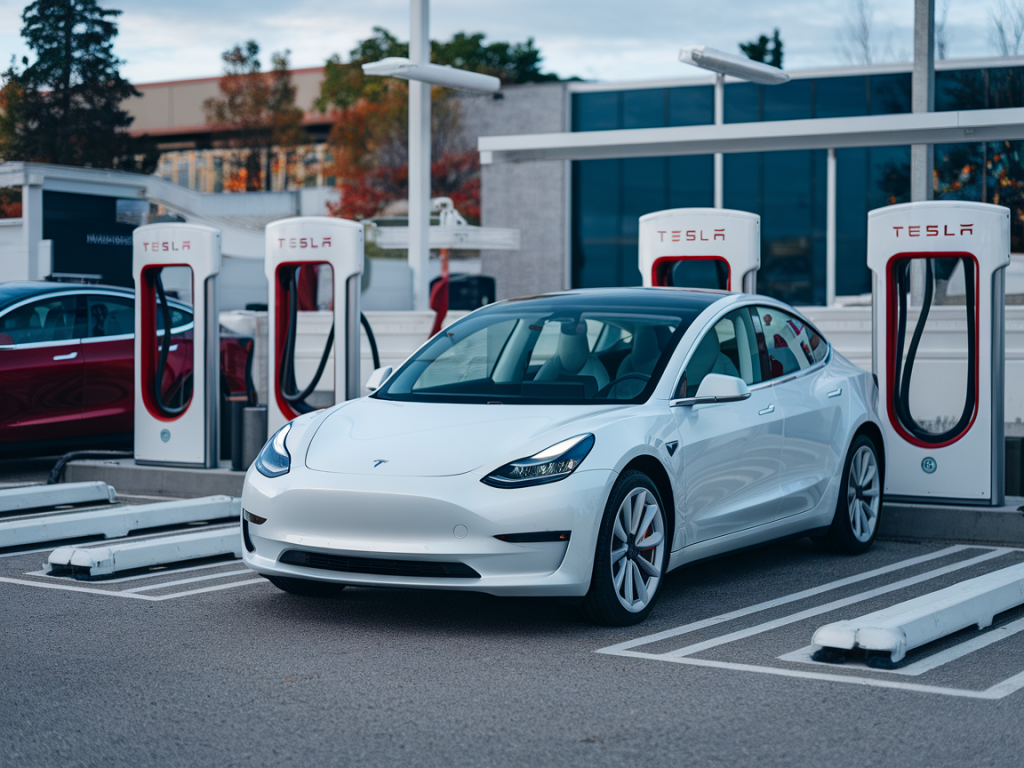
Hello — I’m writing from Mobility News because the idea of Tesla battery swap kiosks has been occupying my mind lately. As someone who has spent years studying urban mobility, I’m fascinated by any technology that could shift operational economics for taxi and delivery fleets. Battery swapping is not new, but Tesla’s scale, software integration, and kiosk-style automation could change the calculus. In this piece I’ll walk through how swap kiosks might work, the benefits and hurdles for urban fleets, and whether they could realistically tip profitability in favour of electrified taxi and delivery services.
How Tesla battery swap kiosks would differ from charging
When people think of electric vehicles, they usually picture plug-in charging — home chargers, destination chargers, or high-power DC fast chargers. Battery swapping replaces the need to wait for energy to flow into a battery by physically exchanging a depleted pack for a charged one. What makes a Tesla-led approach interesting is the combination of:
In other words, a Tesla swap kiosk could become more like a vending machine for energy: predictable, quick, and tightly controlled.
Why taxis and delivery fleets care
Urban taxi and delivery operations are all about utilisation and turnaround. The two biggest EV pain points for fleet operators are downtime and battery degradation anxiety. Swap kiosks target both.
For high-mileage vehicles, every minute off the road costs real money. A swap kiosk that gets a cab or a delivery van back on the road in under five minutes could dramatically improve revenue per vehicle per hour.
Operational models that make sense
There are a few ways fleets could engage with a Tesla swap ecosystem:
I’m particularly interested in the BaaS model: it aligns incentives. If Tesla owns the batteries, they have an incentive to optimise charge cycles, thermal management, and swap throughput to maximise pack life and cost-per-kilometre.
Economics — a simple comparison
| Metric | Fast DC Charging | Battery Swap Kiosk |
|---|---|---|
| Downtime per service | 20–40 minutes | 3–8 minutes |
| Energy cost per kWh | Varies (higher at public DC) | Potentially lower (centralised charging) |
| CapEx for infrastructure | Lower per port | High per kiosk |
| Labour intensity | Low | Very low (automated) |
This simplified table highlights that swap kiosks carry higher capital intensity but potentially deliver lower operational downtime and lower energy costs through centralised, smart charging. The tipping point depends on utilisation: the more vehicles served by a kiosk, the faster you amortise the upfront investment.
Technical and logistical hurdles
I won’t sugarcoat it — the challenges are substantial.
These are solvable, but they require coordination between OEMs, policymakers, and operators. Tesla’s advantage is that they control the vehicle design and the energy ecosystem — fewer stakeholders to align might speed deployment.
Real-world precedents and lessons
We can look to past efforts. In 2013 Tesla briefly demonstrated a Model S swap that took under 90 seconds. NIO in China has operational battery swap stations for consumer vehicles and buses. Gogoro has proved the swap model for electric scooters in dense Asian cities. The common lessons:
Applying those lessons to urban taxi and delivery fleets looks promising because the vehicles have high, predictable duty cycles and return to hubs regularly.
How a rollout could look in a city
If I were advising a pilot, I’d target three elements:
Early pilots should measure real-world metrics: swaps per day, median downtime, pack wear patterns, and total cost-per-kilometre compared to DC charging. If these show clear OPEX savings, scalability becomes a matter of capital access and local permits.
What I’m watching next
At Mobility News I’ll be tracking a few signals closely:
I believe swap kiosks could tilt the balance toward electrification for urban fleets — but only if the economics work at scale and cities are willing to host the necessary infrastructure. For taxi and delivery operators focused on margins and utilisation, the promise of minutes, not hours, of turnaround is seductive. Whether Tesla’s kiosk concept becomes a mainstream solution depends as much on policy, partnerships, and finance as on the technology itself. I’ll keep digging and sharing what I find on Mobility News.