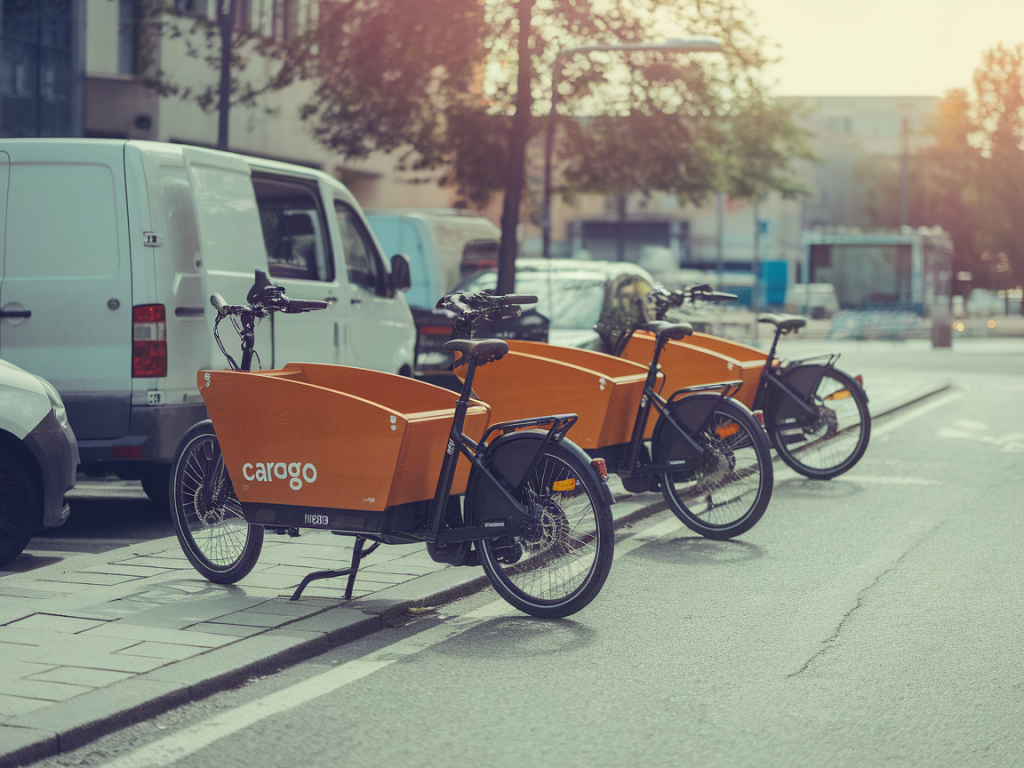
I’ve been watching the rise of cargo e-bikes for years, and one recurring question keeps surfacing: can a citywide battery leasing or swapping scheme actually make zero-emission same-day deliveries cheaper than using vans? Speaking frankly, the idea is tantalising. Cargo e-bikes already beat vans on congestion and emissions; the real battleground is cost and convenience. I’ve dug into the numbers, the logistics, and the business models to see whether a large-scale battery leasing program could tip the scales.
Why battery leasing matters for cargo e-bikes
One of the main pain points for fleet managers and couriers using cargo e-bikes is the battery: weight, range, degradation, and charging time. A single long-shift courier can use more than one battery a day. If charging happens overnight at depots, you need larger fleets of spare batteries and chargers, or you accept downtime and lost deliveries.
A citywide battery leasing and swapping scheme addresses three issues at once:
How the economics can play out
Let me put some numbers on the table based on real-world data trends (note: these figures are illustrative and will vary by city and operator):
| Typical small van (diesel) | Cargo e-bike with owned battery | Cargo e-bike with citywide leased/swapped battery | |
|---|---|---|---|
| Capital cost per vehicle | £25,000 (van, used) | £4,000 (e-bike + battery) | £3,200 (e-bike; battery subscription separate) |
| Daily operating cost (fuel/electricity + maintenance) | £25 | £6 | £8 (includes subscription fee) |
| Payload and delivery throughput | High (bulk) | Moderate | Moderate (but higher utilisation) |
| Urban access/time per stop | Lower (parking, restrictions) | Higher | Higher |
With these ballpark figures, an e-bike with a leased battery can be cheaper per delivery if utilisation is high and swapping infrastructure is dense. The subscription adds cost compared to owning a battery outright, but it removes the need to maintain spare batteries and charging infrastructure at each depot — and that matters a lot when operators scale up.
Key variables that determine whether leasing beats vans
There are several critical variables that dictate whether a citywide battery leasing program will actually make same-day delivery cheaper than vans:
Operational models I’ve seen and what works
Different cities and operators have experimented with several approaches. From my observations, three models are particularly promising:
Real-world signals and pilots
I’ve followed pilots in London, Amsterdam, and Paris closely. In Amsterdam, a number of courier firms already rely on e-bikes for urban deliveries and use local battery swapping points run by community providers. In Paris, the city is investing in micromobility hubs that could host swap stations.
What’s interesting is how private companies like DPD and UPS are trialling cargo e-bike fleets combined with micro-depots. When those micro-depots are close to charging or swapping infrastructure, the operational cost per delivery falls significantly. Fleet analytics firms — think of Zego or Tevva’s software-driven fleet models — can further optimise battery allocation, reducing waste and making leasing packages more attractive.
Hidden benefits that tip the balance
There are less tangible, but financially meaningful, benefits to leasing that often go overlooked:
What needs to happen for scale
To make citywide battery leasing a game-changer, several things should happen simultaneously:
In short, I’m optimistic. A well-designed citywide battery leasing system can make zero-emission same-day deliveries cheaper than vans in dense urban environments, particularly where deliveries are high-frequency and parking constraints favor bikes. The model won’t replace vans for every route — heavy bulk or long-range trips need different solutions — but for the vast majority of urban last-mile legs, city-run or consortium-backed battery leasing could be a decisive enabler.