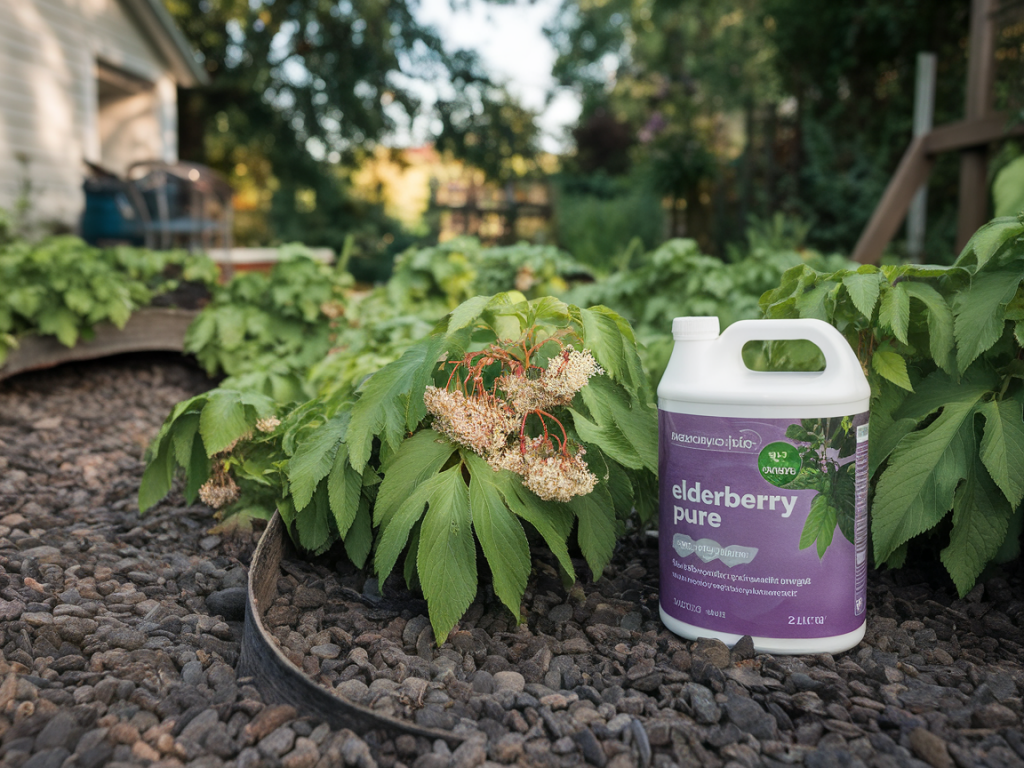
I have always been fascinated by how small interventions in urban green spaces can ripple out into broader sustainability outcomes. When I started looking into contrôle naturel des nuisibles au jardin for privately maintained plots and community gardens in Lyon, one folk remedy kept reappearing: purin de sureau, or elderberry ferment, touted as a natural repellent against rats and tunnelers like moles (taupiers). I decided to test the claims, read scientific notes, and compare that home-made approach with professional alternatives used by pest control specialists in urban areas.
Why gardeners in Lyon care about natural pest control
In a dense city like Lyon, gardens—private and communal—are small biodiversity islands. We want methods that protect plants without harming beneficial insects, pets, or nearby water systems. That’s why the concept of contrôle naturel des nuisibles au jardin matters: it’s not just about removing a pest, it’s about preserving ecosystem services and aligning with municipal policies on pesticide reduction. From my experience reporting on sustainable mobility and urban innovation, I view these gardens as part of the same sustainability puzzle: greener streets, healthier neighborhoods, and fewer chemical inputs.
What is purin de sureau and how is it supposed to work?
Purin de sureau is a fermented liquid made from elderberry leaves (and sometimes stems), prepared by steeping chopped plant material in water for several days to weeks until it ferments. The idea is that its strong odor, combined with certain compounds released during fermentation, will repel mammals like rats and moles or disrupt their behavior and drive them away from treated areas.
I tried a batch following several online recipes—chopped leaves, water, covered container, occasional stirring. The smell is unmistakable: pungent and vegetal. Applied around raised beds or poured into molehills, proponents claim it reduces activity within days.
Real-world effectiveness: what I observed (and what evidence says)
After deploying purin de sureau in a small Lyonnais garden where mole activity had created visible mounds and tunnels, I noticed mixed results. Some shallow burrows in the perimeter saw reduced fresh openings for a week or two, but deeper, active runs under lawn areas persisted. My experience reflects the patched, anecdotal evidence available:
Scientific literature on elderberry purin as a mole repellent is scarce. Most robust studies focus on compounds like castor oil, which have clearer modes of action against mole and vole behavior, or on exclusion and trapping. That gap means the remedy remains largely an experimental, low-risk approach rather than a proven solution.
Limits and risks of relying solely on purin de sureau
Based on my trials and discussions with Lyon-based taupier professionals, here are the main limitations:
There’s also a social angle: if gardeners expect a magic cure and it fails, frustration can lead to use of inappropriate chemicals or illegal methods. As someone who reports on sustainable transitions, I find it important to set realistic expectations.
Professional alternatives used in Lyon and when to call an expert
Pest control professionals in the Rhône region use a mix of techniques that are more predictable than fermented plant infusions. Based on interviews and local reports, here’s what is commonly deployed:
I recommend calling a professional when tunnels are widespread across multiple neighbors’ plots, when the lawn or root systems are at risk, or when an ecological assessment is required. Professionals can also advise on legal and municipal rules in Lyon—some methods require authorization or must follow non-chemical guidelines in public spaces.
Integrated, sustainable strategies I’ve found effective
Rather than seeing purin de sureau and professional methods as mutually exclusive, I advocate for an integrated approach grounded in the principles of contrôle naturel des nuisibles au jardin. In practice that means:
| Method | Pros | Cons |
|---|---|---|
| Purin de sureau | Low-cost, low-toxicity, DIY | Variable efficacy, weather-sensitive, temporary |
| Castor oil repellents | Proven deterrence, formulated products available | May need repeated application, product costs |
| Mechanical traps | Immediate population reduction if targeted | Requires expertise for humane and legal use |
| Soil & ecosystem management | Long-term resilience, benefits biodiversity | Slow to implement, needs maintenance |
Practical tips for Lyon gardeners
Based on my field notes and conversations with local taupiers, here are actionable tips: