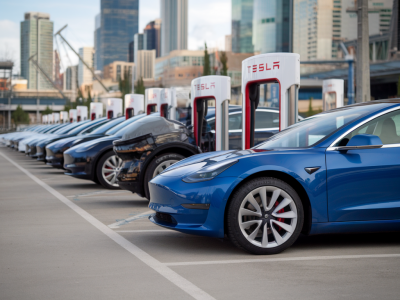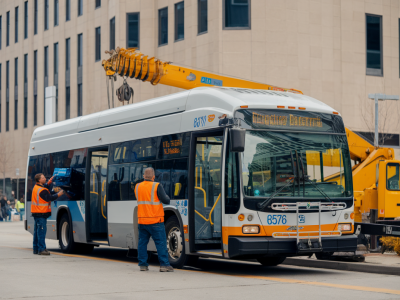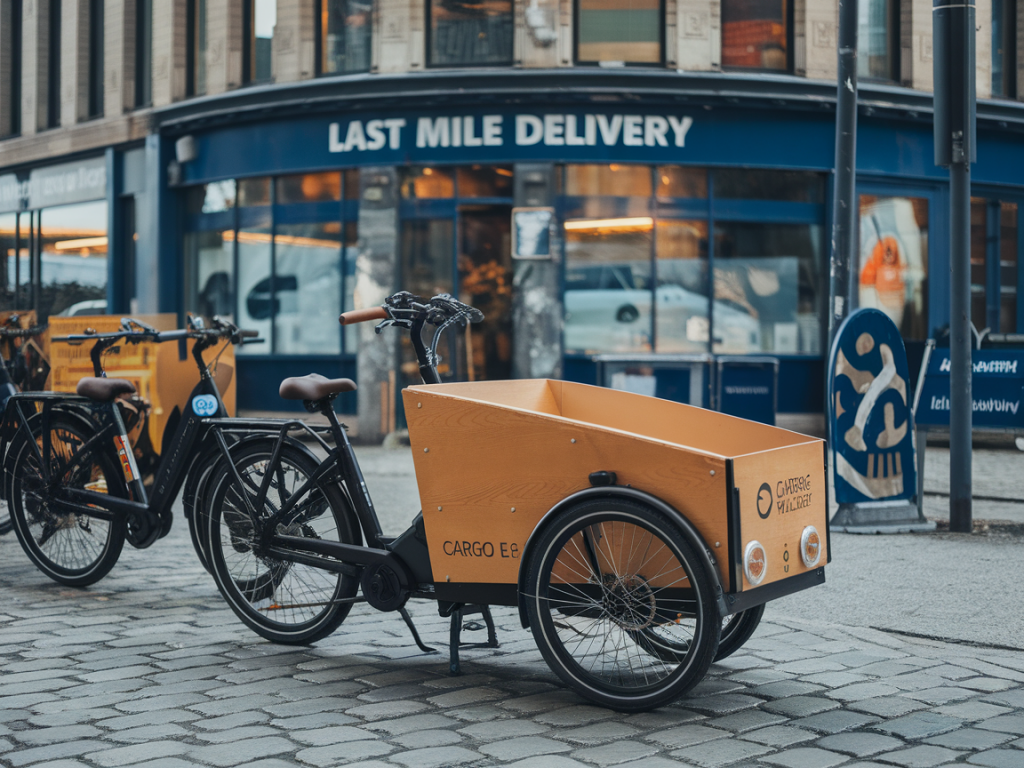
I’ve been tracking last-mile delivery for years, and one thing keeps coming back to me: the biggest inefficiencies aren’t always in the vehicles themselves but in energy logistics. That’s why I’ve been intrigued by citywide battery leasing models for cargo e-bikes as a strategy to undercut the costs of small electric vans. In this piece I want to walk you through how battery leasing plays out in practice, where the real savings come from, and what city operators and fleets should weigh before scaling up.
What is citywide battery leasing for cargo e-bikes?
Battery leasing, sometimes called Battery-as-a-Service (BaaS), separates the battery from the e-bike. Riders or fleet operators lease batteries via subscription or pay-per-swap schemes. The operator maintains a network of swap stations or mobile swap teams, handling charging, diagnostics and lifecycle management. Brands like Swapfiets (for bikes) and energy players experimenting with BaaS provide reference models, while cargo-specific startups and logistics partners are piloting swap hubs for urban deliveries.
Why this can beat small electric vans on last-mile costs
When I compare cargo e-bikes with leased batteries to small electric vans, several cost elements tip the balance:
- Lower capital costs: Cargo e-bikes are far cheaper to buy than vans. Leasing batteries further reduces upfront spend because operators don’t need to purchase expensive battery packs.
- Energy efficiency: E-bikes consume much less energy per kilometer than vans. Even accounting for the energy to charge the batteries in a swap network, per-delivery kWh is lower.
- Reduced labor and time costs: E-bikes can access bike lanes, avoid congestion, and park curbside — saving time per stop. Faster routes translate into higher deliveries per hour and lower labor cost per parcel.
- Maintenance and residual risk: Batteries are one of the most expensive replacement items on e-vehicles. Leasing transfers that hardware risk to the provider, who can optimize charging and handle replacements at scale.
- Flexible fleet sizing: Operators can scale e-bike usage up and down with less sunk cost compared with vans, aligning capacity with demand and avoiding idle assets.
Typical cost breakdown comparison
Below is a simplified comparative snapshot of recurring costs for a dense urban last-mile route. Numbers are illustrative and depend on city context, labor rates, and load profiles.
| Cost item (annualized) | Cargo e-bike + leased battery | Small electric van |
|---|---|---|
| CapEx / vehicle lease | £800–£2,000 | £6,000–£12,000 |
| Battery lease / swap service | £500–£1,200 | Included in vehicle or separate battery warranty |
| Energy (kWh) | £200–£600 | £1,000–£2,500 |
| Maintenance & tyres | £300–£700 | £1,200–£2,500 |
| Insurance & VED-like costs | £200–£500 | £800–£1,800 |
| Labor per delivery (time efficiency) | Lower (more deliveries/hr) | Higher (fewer deliveries/hr) |
| Total (indicative) | £2,000–£5,000 | £10,000–£20,000 |
Note: these ranges depend heavily on route density, local power prices, swap network quality, and asset utilization.
Important operational levers that create savings
- Swap station density and placement: A dense, well-located network reduces downtime and the number of batteries needed per vehicle (lower fleet-wide battery counts).
- Predictive charging and smart swapping: Providers that use telemetry and demand forecasting minimize idle charged batteries and optimize charging times for off-peak electricity.
- Standardized, modular batteries: Standardization lowers production cost and simplifies logistics — think of it like the “gas station” model but for battery packs.
- Integration with routing software: When swap locations are integrated into route planning, riders avoid detours and maintain high delivery productivity.
Real-world challenges and counterpoints
I don’t want to paint an unrealistically rosy picture. There are clear friction points:
- Initial deployment cost: Building swap stations and the backend software is capital-intensive. Cities or consortiums might need to subsidize early rollout.
- Standardization hurdles: If each cargo-e-bike OEM uses different battery formats, swapability suffers. A dominant form factor or adapters are needed.
- Range and payload limitations: Cargo e-bikes still have payload and range ceilings; for bulky or long-haul urban routes, vans remain necessary.
- Operational complexity: Managing battery states of health, ensuring fast swaps, and preventing abuse or loss of leased batteries requires robust asset tracking.
Who benefits most?
Based on pilots I’ve seen and conversations with logistics operators, the biggest winners are:
- High-density urban couriers working with short segments and many stops (meal delivery, small parcels).
- Retail chains that offer frequent same-day deliveries within limited radiuses.
- City-operated shared cargo fleets where public-private partnerships help underwrite swap infrastructure.
Examples and early pilots
Companies like Gnewt Cargo (now part of UPS in London historically) and micromobility startups in Amsterdam and Paris have shown that cargo bikes can replace vans on many routes. More recently, BaaS pilots—both for two-wheelers and light electric vehicles—have been trialled by energy firms and OEMs. These pilots highlight the two main pathways: operator-led (logistics companies run swap networks) and platform-led (a neutral swap provider serves multiple operators).
Key metrics to monitor when comparing costs
- Deliveries per worker-hour: Directly impacts labor cost per parcel.
- Battery utilization ratio: How many effective charge cycles and swaps you get per battery in a day.
- Infrastructure uptime: Swap station availability and time-to-swap.
- Total cost of ownership per km and per delivery: Include leased battery fees, energy, maintenance, and parking fines.
When I crunch the numbers for dense, short-hop routes in European cities, a well-run battery leasing scheme for cargo e-bikes can reduce last-mile costs by 40–70% versus small electric vans — largely thanks to lower energy use, reduced capital lock-in, and higher stops per hour. The exact savings vary, but the trend is clear: optimizing energy logistics at city scale unlocks value that simple vehicle electrification alone does not.