I first encountered Seoul's dynamic curb pricing model during a research trip in 2019, and it has stuck with me ever since. Walking through the city, I watched delivery vans, taxis and private cars jockey for space at the kerbside—yet traffic flowed more smoothly than I expected. The secret wasn't just new lanes or stricter enforcement: it was a data-driven, adaptive approach to curb management that prices space as a scarce resource. In this article I want to share what I learned, what questions cities often ask about curb pricing, and practical lessons other urban areas can borrow from Seoul's experience.
Why curb pricing matters
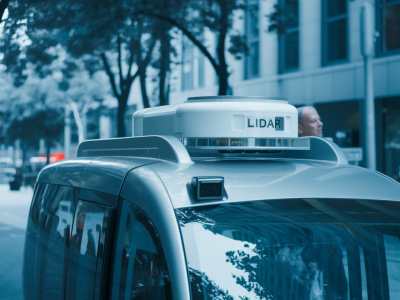
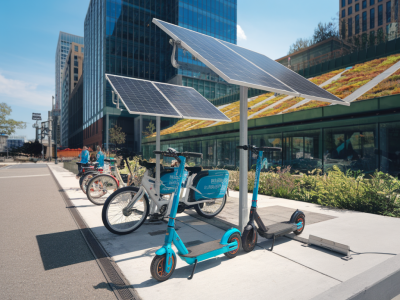
When people ask me why curb pricing matters, I answer simply: the curb is the new battleground for efficient cities. Traditionally treated as a free-for-all, the curb now handles an expanding mix of uses—ride-hailing pickups, food deliveries, micromobility parking, commercial loading, and passenger drop-offs. This mix creates conflicts that amplify congestion, air pollution and safety risks. By attaching a price to curb access and adapting that price in real time, cities can better match supply with demand and signal which uses should be prioritized.
How Seoul's approach works
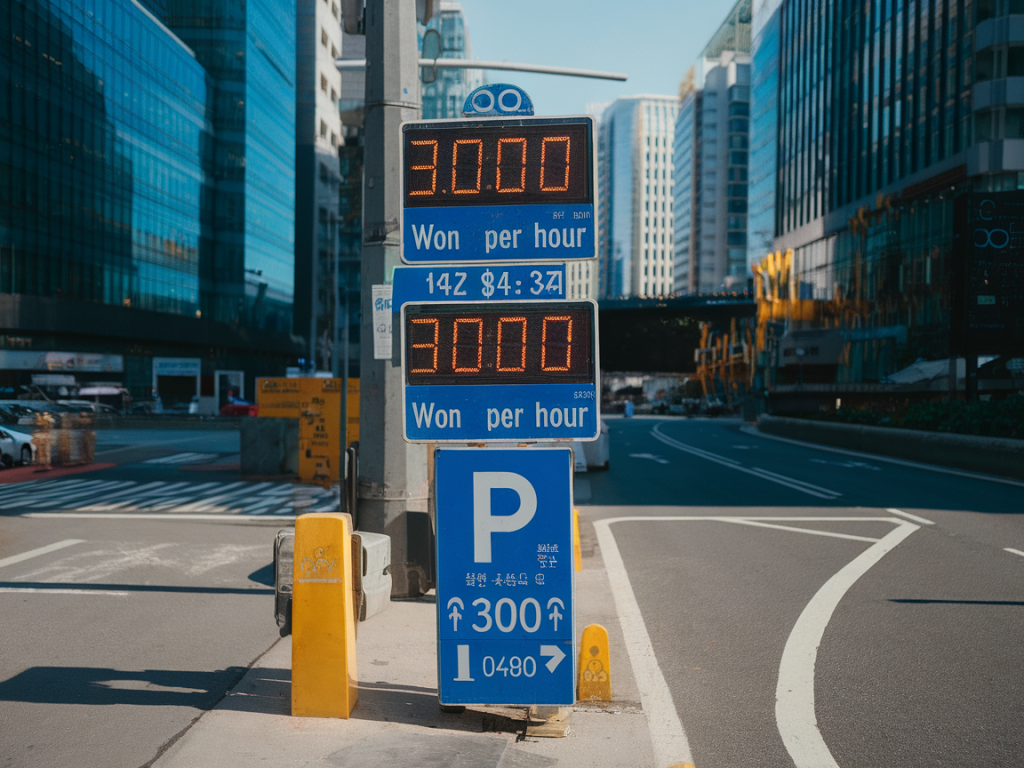
Seoul didn't invent curb pricing, but it implemented a particularly dynamic and integrated system. The city combines sensors, CCTV, parking databases and payment platforms to understand how curb space is used throughout the day. Then it varies the price by:
This pricing is enforced digitally: drivers receive notifications through apps or roadside signage and can pay using familiar services. Crucially, Seoul ties revenues back into transport improvements and digital enforcement, creating a positive feedback loop.
Common questions cities ask — and my answers
When I brief city officials or write for Mobility News, these are the questions that come up again and again.
Operational lessons I took away
From Seoul's implementation I distilled several operational principles that other cities can apply.
What to consider when designing your tariff structure
Here I lay out a basic comparison table I often use when advising cities. It’s not exhaustive but helps frame trade-offs.
| Tariff type | Benefits | Drawbacks |
|---|---|---|
| Flat hourly rate | Simple to understand and enforce | Poorly reflects peak demand; can cause artificial scarcity |
| Time-of-day tiers | Aligns with rush hours; easier to implement | Less responsive to micro-variations |
| Real-time dynamic pricing | Maximizes efficiency, reduces double-parking | Requires robust sensor/data systems; potential equity concerns |
| Use-based permits (subscriptions) | Predictable costs for businesses; supports frequent users | Can lock in advantage for large operators if not managed |
Policy and political strategy
Pricing reforms are as political as they are technical. From Seoul I learned the importance of narrative: frame curb pricing as a tool to reduce congestion, improve safety and fund better transport, not as a revenue grab. Transparent pilots and public dashboards that show improvements—less double-parking, faster buses, cleaner air—help build public buy-in. Also, engage stakeholders early: logistics firms, taxi unions and neighborhood associations will all push back unless they’re part of the design process.
Technology stack that works
Based on Seoul’s mix, here are core components you should consider:
Many cities can assemble this stack using commercial providers like ParkMobile, Flowbird, or local startups, coupled with cloud analytics and edge devices for enforcement.
Questions I still ask myself
Even after watching Seoul’s progress, I still wonder about long-term effects. Will dynamic curb pricing accelerate the consolidation of delivery services by favoring firms that can afford subscriptions? Can pricing be paired with strict anti-idling rules for combustion vehicles to speed electrification? These are not rhetorical—cities need to evaluate secondary market impacts and align curb strategies with climate and equity goals.
If you’re working on curb policy for your city, think of Seoul not as an unreplicable model but as a living case study. Start with clear goals, deploy pragmatic tech, protect vulnerable users, and communicate results. The curb is one of the few remaining municipal levers that can produce rapid, visible improvements in traffic flow and urban life—if we price it correctly.