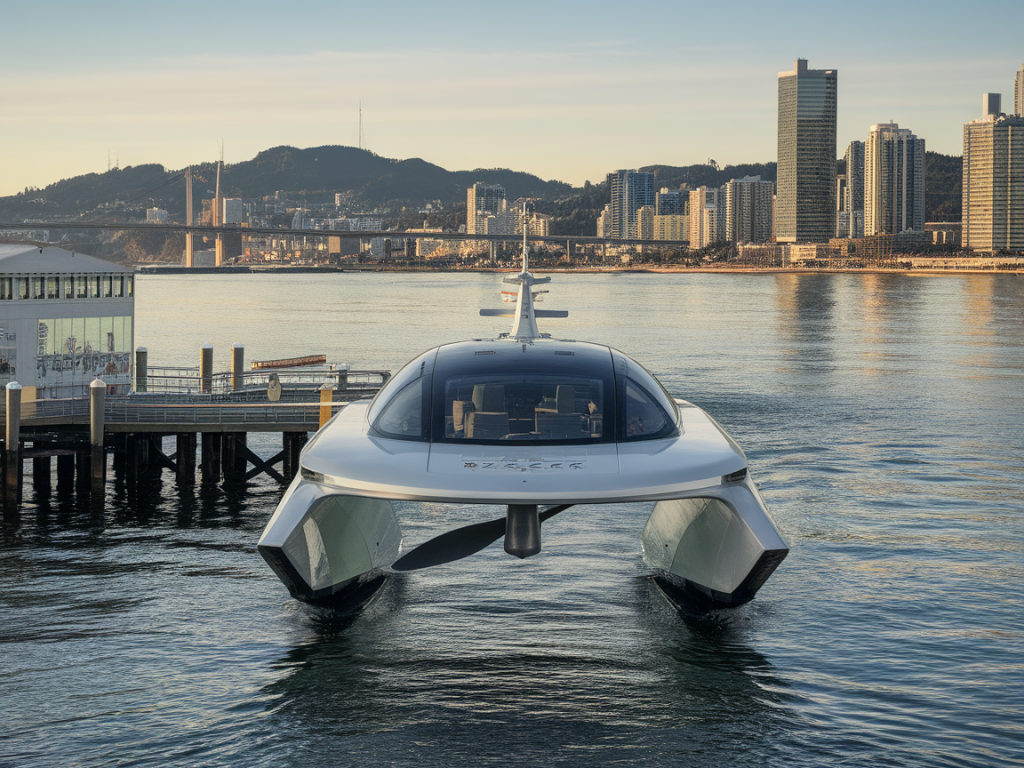
I've been following the electrification of transport for years, from cars to buses to micromobility — but maritime routes present a different set of puzzles. Coastal cities that rely on ferries for public transit and on small cargo e-boats for last-mile logistics are asking whether fully zero-emission ferry corridors are realistic. From my perspective, the answer is: yes — but only if cities, operators and technology providers align on route design, charging/refuelling infrastructure, energy systems and policy incentives. Below I unpack the practical trade-offs, technologies, operational changes and financing models that determine feasibility.
What do we mean by “zero-emission ferry corridors”?
When I say zero-emission corridors I mean routes where all vessels operating in a defined coastal or harbor area produce no local tailpipe emissions — the ferries and cargo boats run on electricity or renewable hydrogen, and shoreside infrastructure ensures charging/refuelling uses low-carbon power. It’s not just electrifying a single vessel: it’s a system-level transformation covering vessels, ports, energy supply and operational patterns.
Key technologies and how they fit operational needs
There are three primary powertrains I'm watching:
Which technology is best depends on route length, vessel size and duty cycle. Most urban ferry corridors with short crossings and frequent stops favor battery-electric systems, while longer coastal hops or cargo-heavy operations may need hydrogen or hybrid solutions.
Infrastructure: the make-or-break factor
Electrifying boats without investing in shoreside infrastructure would be pointless. Here are the infrastructure elements that matter most:
Operational changes and vessel design
Implementing zero-emission corridors affects scheduling, crew training and vessel design:
Costs and funding models
Upfront cost is the main barrier. Electric ferries and hydrogen vessels are pricier initially than diesel counterparts, and ports must invest in power infrastructure. That said, lifecycle costs can be lower due to reduced fuel and maintenance costs. To make corridors feasible I see several funding pathways:
Environmental and social impacts
From my standpoint, the benefits are clear: elimination of local NOx and particulate emissions improves air quality in waterfront communities, quiet operations reduce noise pollution, and aligning charging with renewables cuts lifecycle CO2. But we must account for embodied emissions in battery production and the carbon intensity of power or hydrogen supply. Ensuring truly low-carbon corridors requires coupling electrification with clean energy procurement, on-site renewables and circular battery management (reuse/recycling).
Policy and regulatory levers
Governments play a disproportionate role in enabling corridors. I think the essential policy actions are:
Real-world examples I watch closely
Norway is a case study I reference often: electric ferries like Ampere have been operational for years, proving operational reliability and cost savings. Amsterdam, Rotterdam and the UK harbours are running pilots for electric and hydrogen ferries and incentivising low-emission port infrastructure. Lessons from these pilots — especially about shore charging siting and grid impacts — are transferable to other coastal cities.
Quick comparative snapshot
| Technology | Best use | Challenges |
|---|---|---|
| Battery-electric | Short to medium urban routes; frequent stops | Requires high-power shore charging; battery weight limits range |
| Hydrogen fuel cell | Longer routes and heavy cargo; routes needing fast refuel | Hydrogen production/refuelling infrastructure; cost and storage |
| Hybrid/range-extended | Transitional routes; mixed cargo and passenger duty | Complex systems; not fully zero-emission unless using low-carbon fuel |
Questions cities should ask before committing
When I speak with city planners and operators, I recommend they clarify:
Zero-emission ferry corridors are a realistic and impactful path toward cleaner coastal mobility — but they require intentional design, coordinated infrastructure investment and a roadmap that matches technology to specific routes. With the right mix of batteries, hydrogen where necessary, smart charging solutions and policy support, coastal cities can move from pilots to durable, city-wide corridors that serve passengers and cargo without local emissions.